

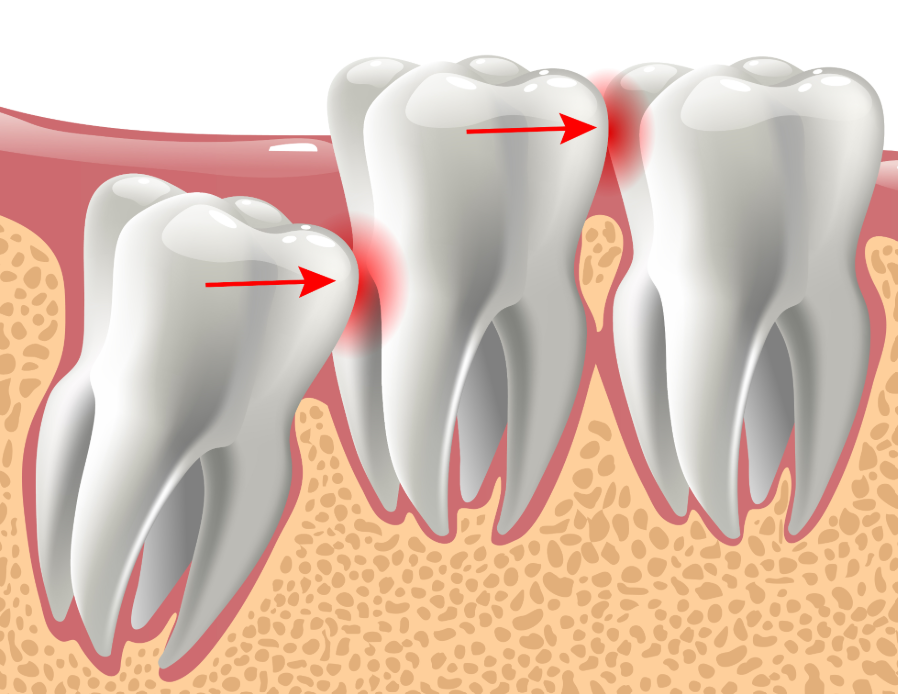
Wisdom teeth are the third set of molars that typically emerge in your late teens or early twenties. They sit at the very back of your mouth—two on top and two on the bottom—and were once essential for our ancestors, who needed extra chewing power for tough, unprocessed foods. Today, thanks to changes in diet and jaw size over time, these teeth often create more problems than they solve.
Do Some People Not Have Wisdom Teeth?
Here’s the surprising answer: no, not everyone has wisdom teeth. While many people develop all four, some may have fewer, and others may not have any at all. This variation largely comes down to genetics. If your parents or grandparents never had wisdom teeth, there’s a good chance you might not either.
In fact, studies suggest that a noticeable percentage of the population is missing at least one wisdom tooth. It’s not a cause for concern—it’s simply a natural variation in human development. Evolution is gradually phasing these teeth out as our jaws become smaller and our diets softer.
Why Do Wisdom Teeth Sometimes Cause Problems?
For those who do have wisdom teeth, there’s often not enough room in the mouth for them to come in properly. When this happens, they can become impacted, meaning they’re trapped beneath the gums or growing at an awkward angle. This can lead to discomfort, swelling, or even infection.
Common issues associated with wisdom teeth include crowding of nearby teeth, difficulty cleaning the area, and increased risk of cavities or gum disease. Even if they do come in straight, their location in the back of the mouth makes them harder to maintain with regular brushing and flossing.
When Is Wisdom Tooth Removal Necessary?
Not everyone with wisdom teeth needs to have them removed. If your wisdom teeth come in fully, are properly aligned, and can be easily cleaned, they may not pose any issues at all. However, removal is often recommended if there are signs of impaction, pain, infection, or potential damage to surrounding teeth.
Dentists typically monitor wisdom teeth development through routine exams and X-rays, especially during the late teen years. Early evaluation helps determine whether removal is the best course of action before complications arise.
What If You Never Develop Them?
If you never develop wisdom teeth, consider yourself lucky—you’ve skipped a dental milestone that often involves surgery and recovery time. There’s no downside to not having them, and it doesn’t impact your oral health or chewing ability.
That said, it’s still important to maintain regular dental visits. Even without wisdom teeth, your overall oral health benefits from professional cleanings and checkups.
Ultimately, whether you have wisdom teeth or not, staying proactive about your dental health is what matters most.
About the Practice
At Forever Young Dentistry of Sterling Heights, patients receive personalized, comprehensive dental care in a welcoming environment. Dr. Young and Dr. Samona focus on preventive care, patient education, and comfortable treatment options for individuals of all ages. From routine checkups to wisdom tooth evaluations and extractions, we are committed to helping patients maintain healthy, confident smiles at every stage of life.
Call us at (586) 315-4176 or schedule your appointment online.